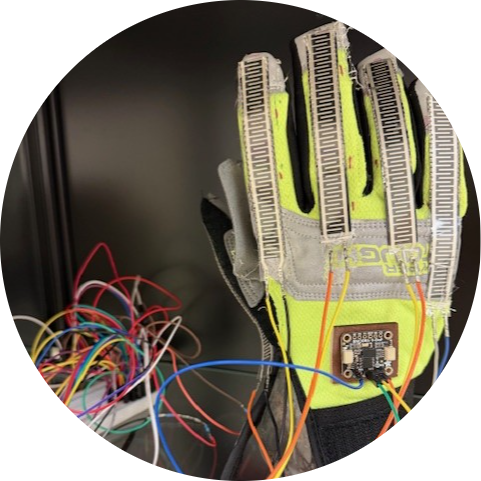
Saim Joardder ’27 | Sign Language Interpreting Glove
This project focused on designing and building a sign language glove equipped with sensors to translate hand movements into digital outputs. Overcoming challenges such as sensor calibration, hardware integration, and component compatibility, the final prototype successfully demonstrated its potential as a communication aid.
Learn More
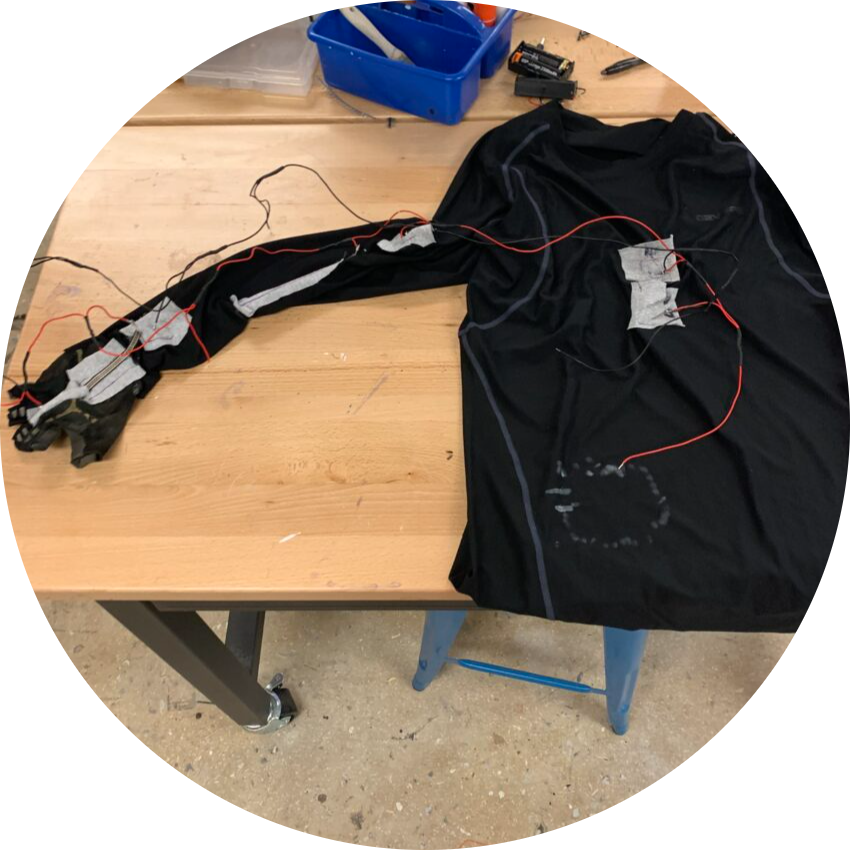
Aiden Mess ’26 | Motion Tracking Shirt
This project developed a wearable device embedded in a shirt to collect and analyze data on basketball shooting mechanics. Overcoming challenges in Arduino programming, electronics integration, and motion tracking, the final prototype successfully recorded shot data and provided valuable insights. While the project met key milestones, future improvements will focus on refining data analysis and enhancing feedback mechanisms to further assist players in improving their shots.
Learn More
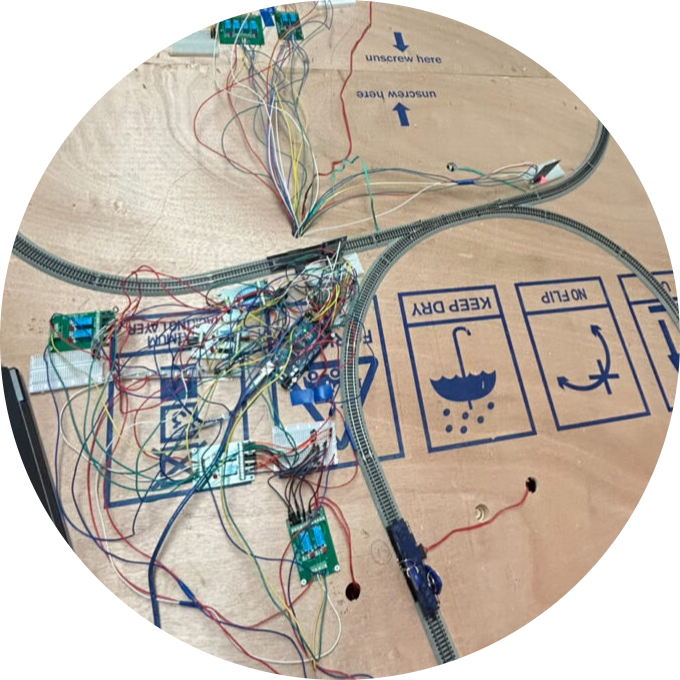
Maimuna Mustafiz ’26 | Traffic Management System
This project focused on developing a traffic management system using model trains and RFID technology to track and optimize vehicle movement. Significant challenges included hardware setup complexities, troubleshooting multiple RFID readers, and overcoming unexpected technical failures, all of which provided valuable problem-solving experience. While the project successfully implemented a functional system, future work will explore machine learning integration to enhance efficiency and scalability.
Learn More
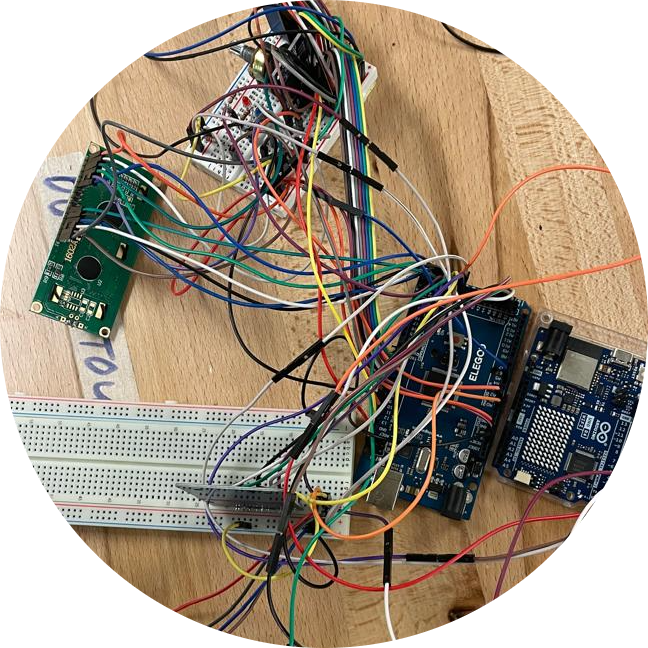
Gabriel Gozo ’26 | Arduino Burglar Alarm
This project developed an Arduino-powered burglar alarm system that uses a variety of sensors for multiple applications. A 4×4 keypad allows users to arm and disarm the system with a security code, while an LCD display provides real-time status updates. Future improvements may include remote notifications and enhanced input handling to optimize security and usability.
Learn More
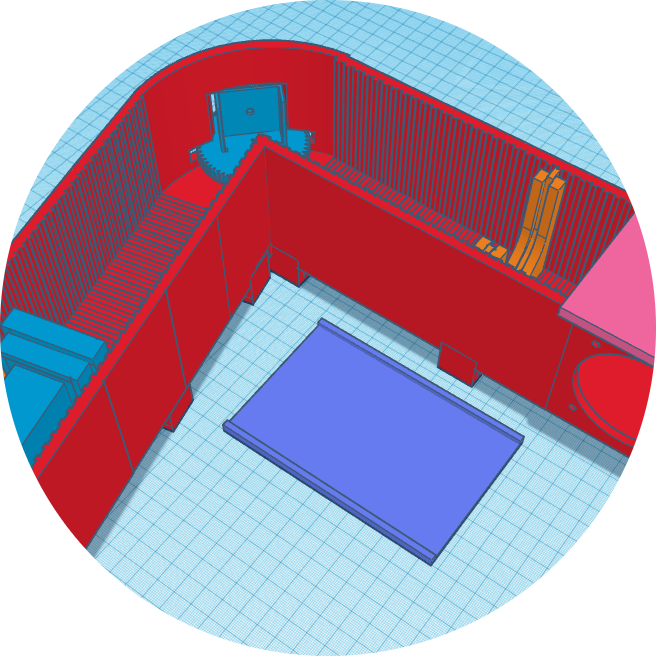
Ben Hertzbach ’27 | DIY Spectrophotometer
This project developed a 3D-printed optical sensor designed to detect and measure copper concentrations in water using an Arduino-controlled system. Overcoming challenges in 3D modeling, sensor calibration, and hardware integration, the final design successfully provided accurate measurements, with future improvements planned for enhanced precision and spectrum calibration.
Learn More
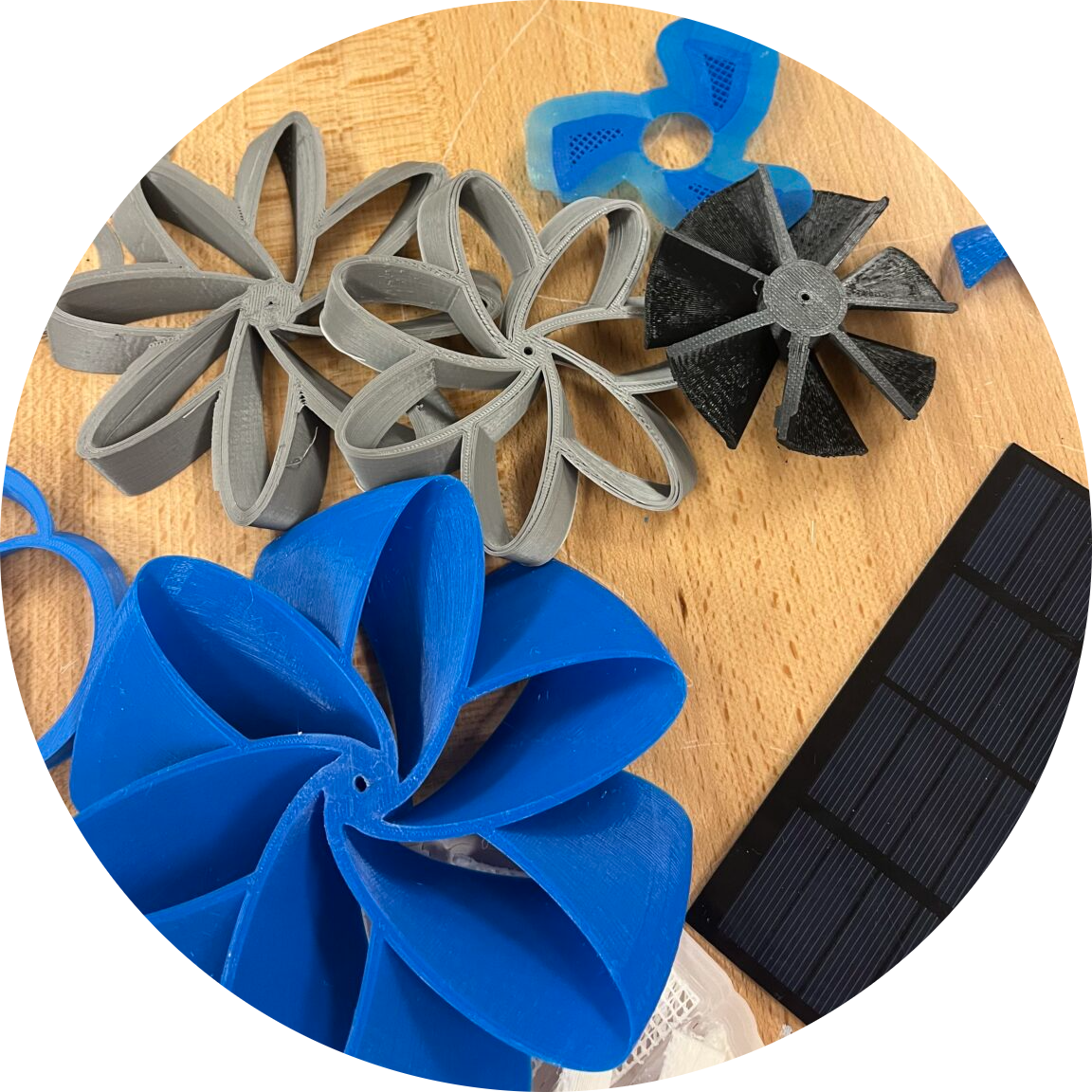
Hai Doan ’26 | Solar Powered Fan
This project focused on designing and assembling a custom solar powered fan, testing various 3D-printed blade designs to determine the most efficient configuration. Challenges included precise wiring, structural assembly, and airflow measurement, with final results favoring a 13-blade design for optimal speed and stability.
Learn More
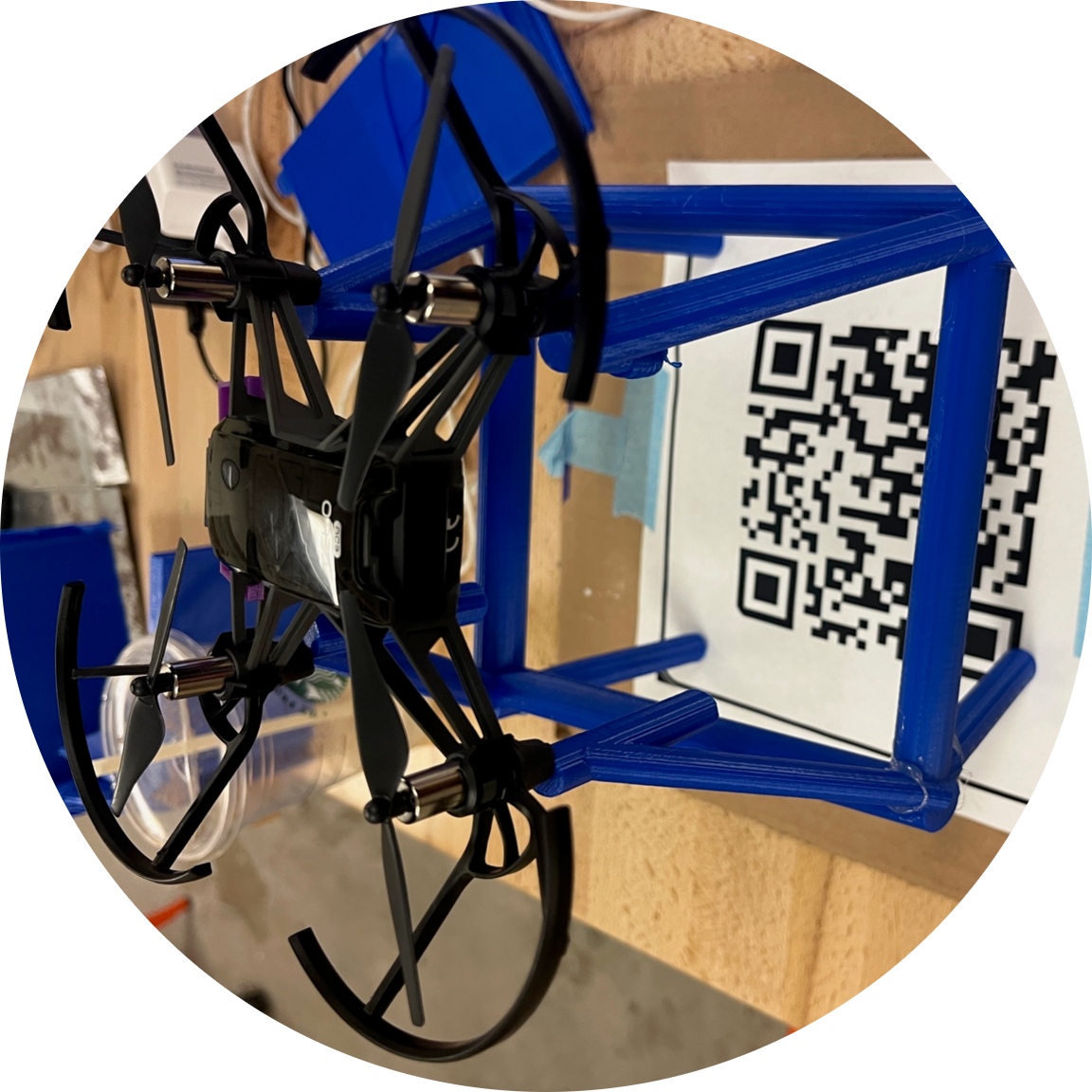
Josie Eteme ’26 | Drone Delivery
This project developed a drone navigation system using QR codes and mission pads to guide autonomous flight paths for package delivery. Challenges included weight distribution affecting flight stability, inconsistent height measurements, and QR code readability, all of which were systematically resolved through troubleshooting and adjustments. The final system successfully executed two navigation routes, demonstrating the potential for expanding into more complex autonomous delivery applications with additional features like voice navigation.
Learn More
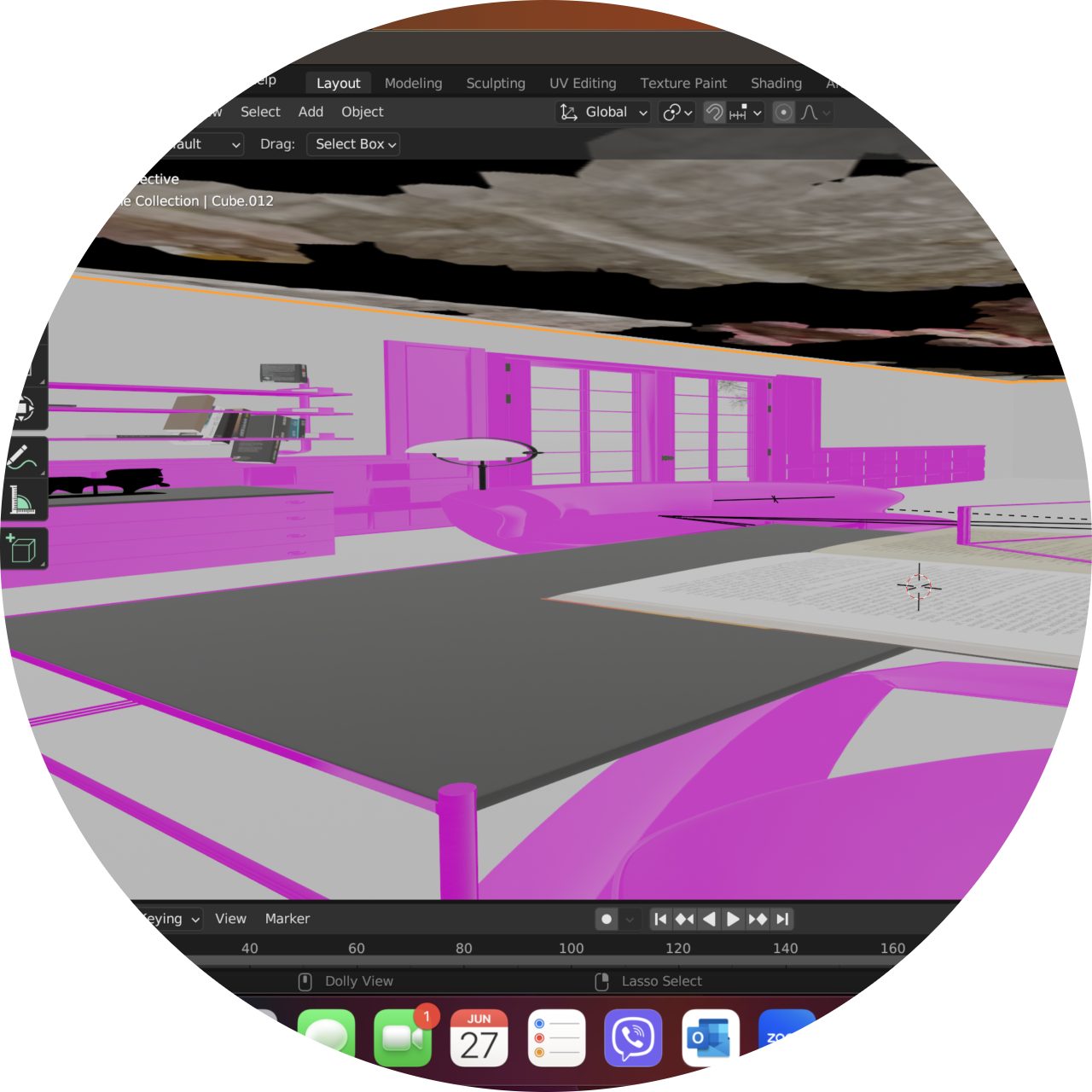
Akriti Nepal ’26 | VR Nepal
This project aimed to create an immersive VR experience of Nepal’s landscapes and cultural landmarks using Unity and Blender. Overcoming challenges with platform compatibility, the final environment allowed users to explore Mt. Everest and traditional Nepali architecture using Oculus controls. While the project evolved from its initial ambitious goals, it successfully provided an interactive and visually accurate representation, offering valuable insights into VR development, modeling, and problem-solving.
Learn More
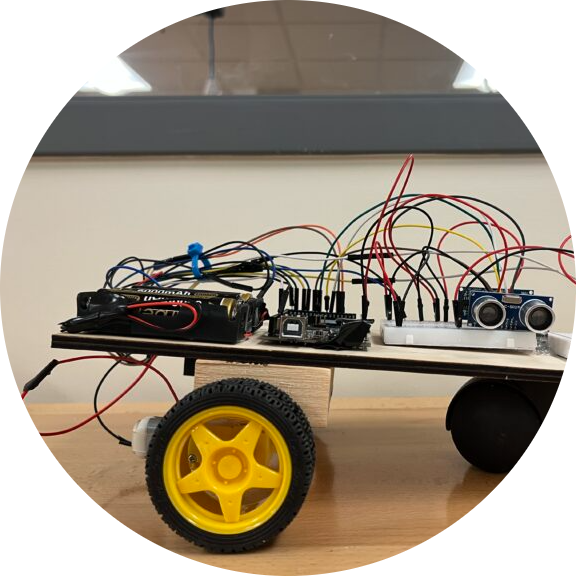
Musfiqur Sami | Maze Solving Robot
This project focused on building and programming an autonomous robot capable of navigating and solving a maze using ultrasonic sensors. After assembling the robot by week six, the final weeks were dedicated to troubleshooting sensor accuracy and refining movement logic to handle dead ends and edges. Through iterative coding and testing, the robot successfully navigated and completed a full maze, demonstrating adaptive decision-making and autonomous pathfinding.
Learn More
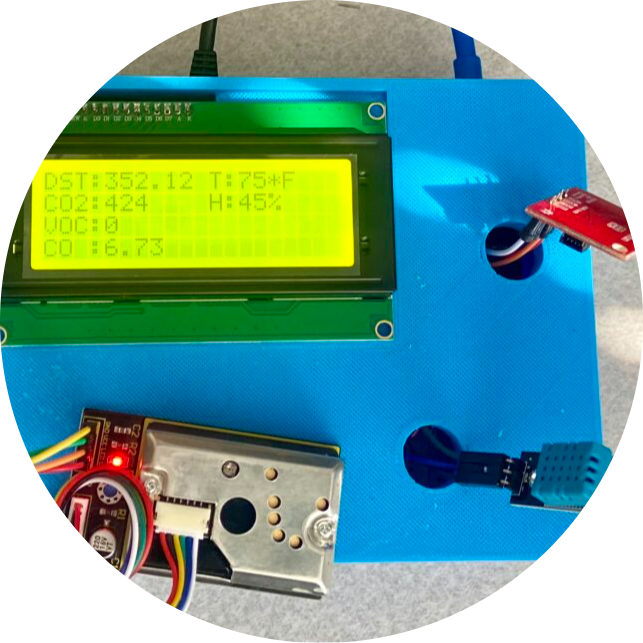
Divya Gautam ’24 | Air Quality Sensor
This project involved designing and building an air quality sensor with an LCD display, learning everything from Arduino programming to sensor configuration and case design. Challenges included integrating WiFi connectivity and iterating through hardware issues, but with persistence and guidance, the final product successfully displayed air quality data. The project also provided valuable opportunities to enhance problem-solving skills, public speaking, and presentation techniques, making it an overall rewarding experience.
Learn More
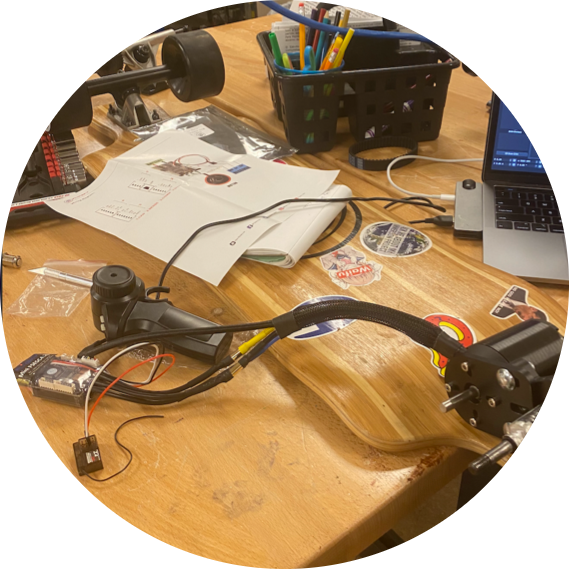
Michael Palma ’23 | Motorizing a Longboard
This project focused on motorizing a longboard and integrating an Arduino-based system to monitor performance data wirelessly. Overcoming challenges with Arduino IoT Cloud connectivity, battery management, and enclosure mounting, the final build achieved a top speed of 15 mph with a single battery.
Learn More
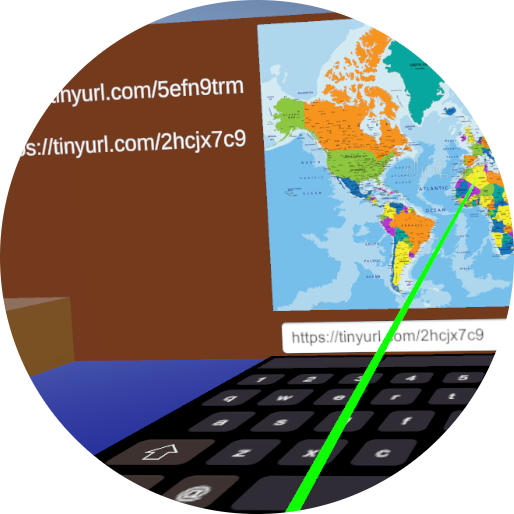
Casey Rhodes ’23 | VR Classroom
This project developed a functional virtual reality classroom in Unity, enabling multiple users to collaborate and interact in a shared VR space. Features included synchronized multiplayer functionality, interactive whiteboards, a video player, and a customizable physics-based activity room. Future improvements could include user role permissions and avatar customization, expanding the potential for immersive and engaging remote learning experiences.
Learn More
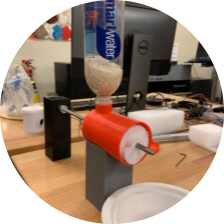
Karla Gonzalez ’23 | Voice Activated Dispenser
This project developed a voice-controlled kitchen dispenser to assist visually impaired individuals in measuring ingredients accurately. Initially utilizing Amazon Alexa, the project later transitioned to the Google Speech-to-Text API on a Raspberry Pi for improved hardware integration and motor control. Despite challenges with 3D printing, motor synchronization, and hardware troubleshooting, the final prototype successfully measured solid ingredients, with plans for future enhancements like liquid measurement and Text-to-Speech functionality.
Learn More
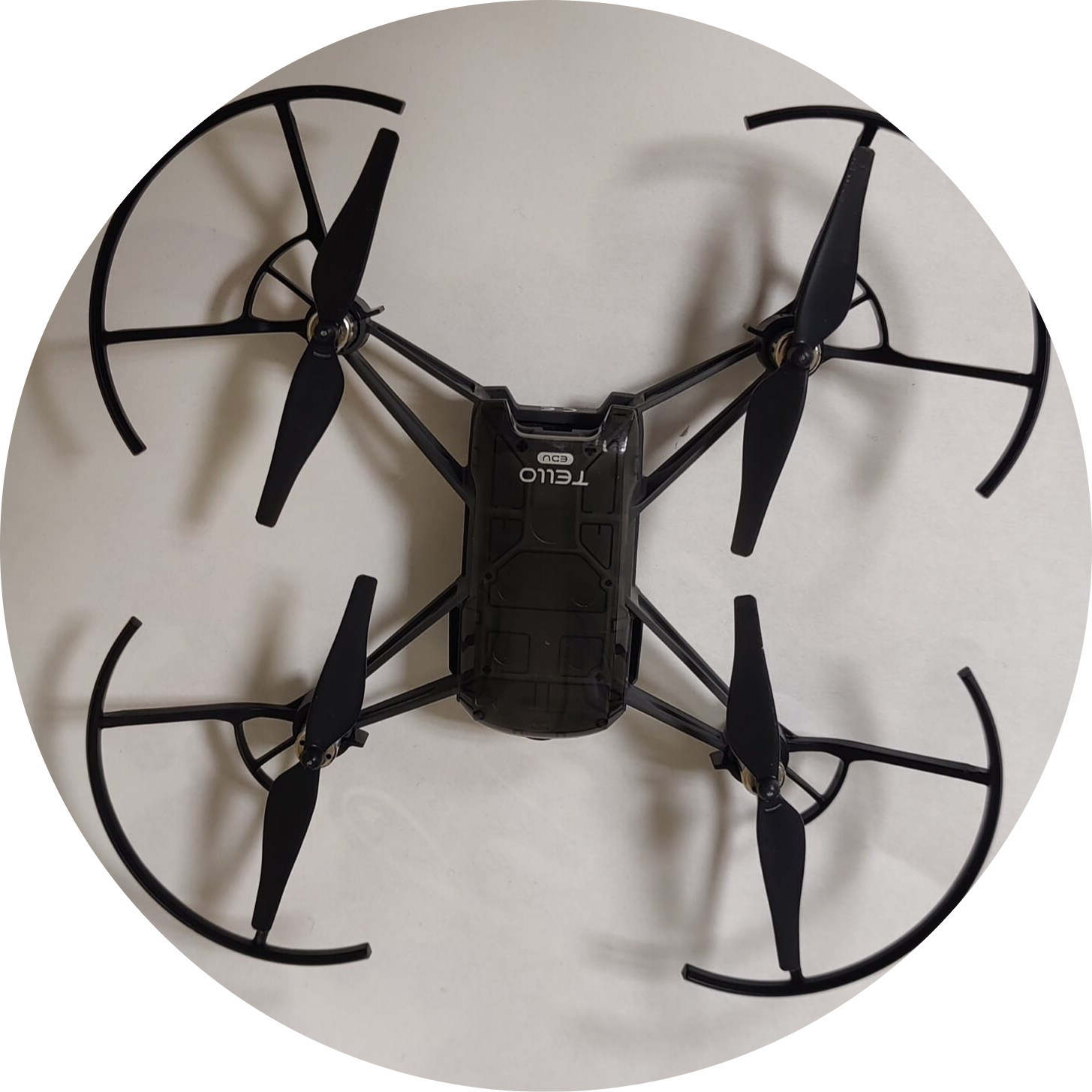
Pratikshya Prasai ’23 | Voice Controlled Drone
This project developed a voice-controlled drone using a DJI Tello EDU, integrating Google’s Speech-to-Text API to convert spoken commands into flight instructions. Overcoming challenges like inaccurate voice recognition, WiFi conflicts, and command queuing, the final system used threading to enable continuous voice input and execution. Additional features, such as text-to-speech for user interaction and customizable movement values, were implemented, with future plans to incorporate QR code scanning and object recognition for enhanced accessibility applications.
Learn More
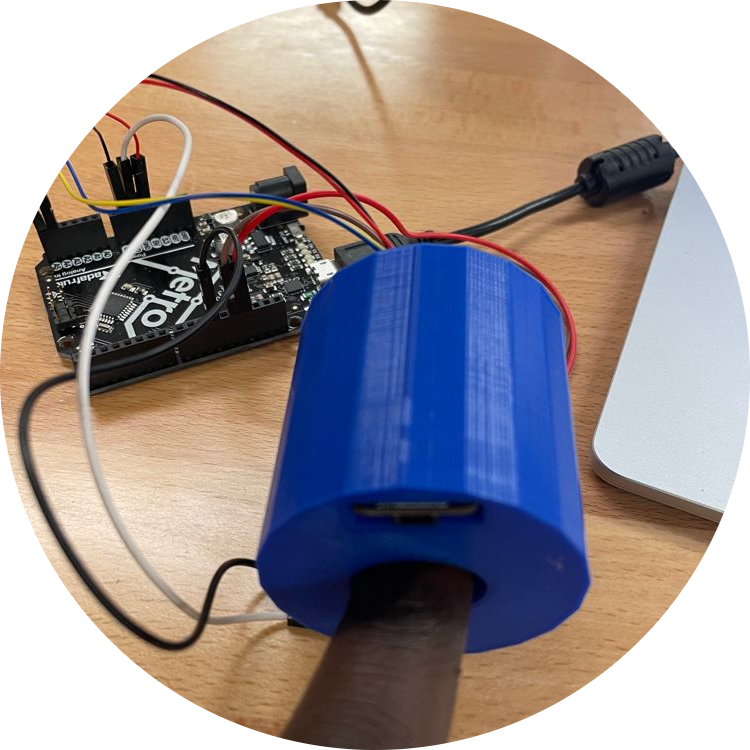
Sukky Nd-Ezuma ’23 | Rebuilding a Pulse Oximeter
This project investigated the accuracy of commercial pulse oximeters, particularly their reliability for people of color. By designing and 3D-printing a custom-built pulse oximeter, the study analyzed how melanin affects red and infrared light absorption, revealing that red light readings were less reliable for individuals with darker skin tones. The findings highlighted the limitations of existing devices, emphasizing the need for improved designs that account for skin tone and finger thickness to ensure accurate oxygen level measurements.
Learn More
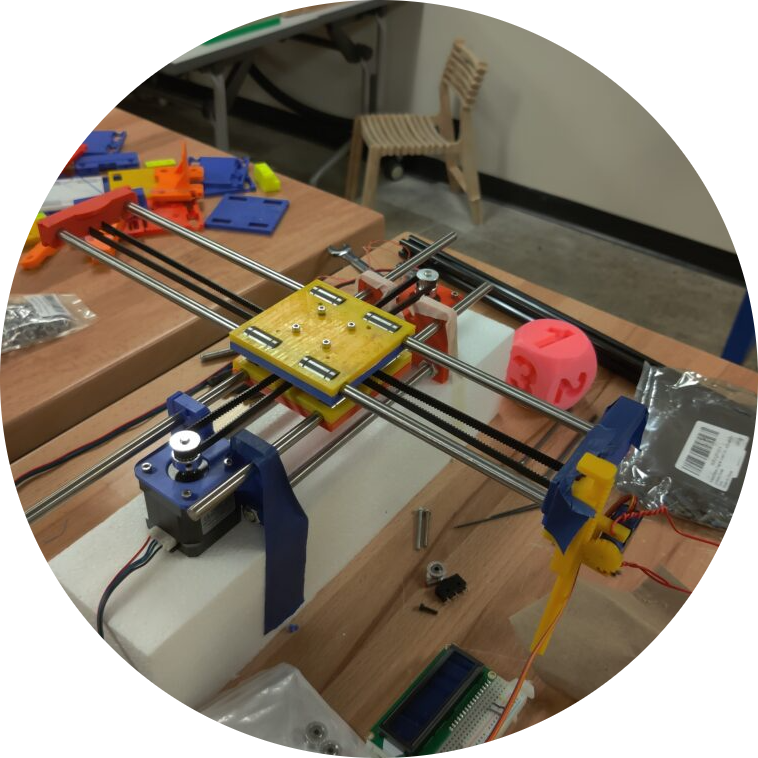
Angel Vegara ’22 | Physical Sorting Machine
This project explored Arduino programming, 3D printing, and hardware prototyping, tackling the complexities of integrating electronics with physical components. Overcoming issues such as debugging hardware failures, adapting to unforeseen obstacles, and learning to iterate quickly were key takeaways from the experience.
Learn More
Minh Nguyen ’21 | VR Lighting
This project aimed to create realistic lighting environments for virtual scenes. Through hands-on experimentation with different lighting setups, the project explored how object creation and material properties impact lighting in virtual reality. The final goal was to produce a visually immersive scene that could be experienced in VR, highlighting the intricacies of lighting design.
Learn More
Thomas Mendola ’20 | VR Dorm Room
This project aimed to create an immersive virtual reality experience for prospective students by showcasing Gettysburg College’s first-year residence hall rooms. Using 360 cameras and Unity, the project allowed users to explore a first-year dorm room, with the ability to move and interact with furniture. The goal was to improve the campus tour experience by providing a realistic, interactive tool for room arrangements and overall room visibility.
Learn More
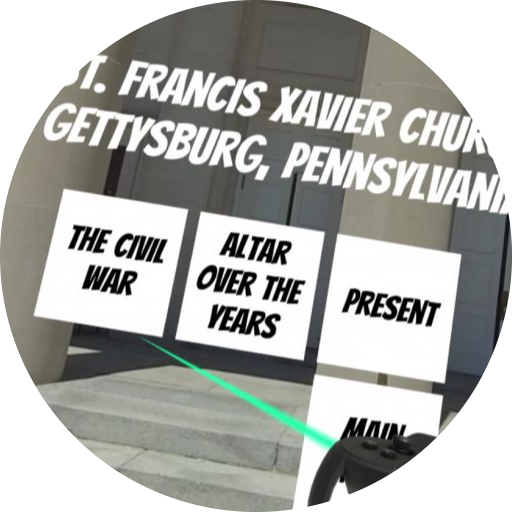
Ricardo Hernandez ’21 | AR Church
The original goal of this project was to create an immersive VR experience using photogrammetry, but the challenges of capturing usable interior scans led to a shift in direction. The project transitioned to using 360-degree videos for a smoother, more practical VR experience, allowing users to navigate different scenes by selecting areas to explore in a historic local church.
Learn More
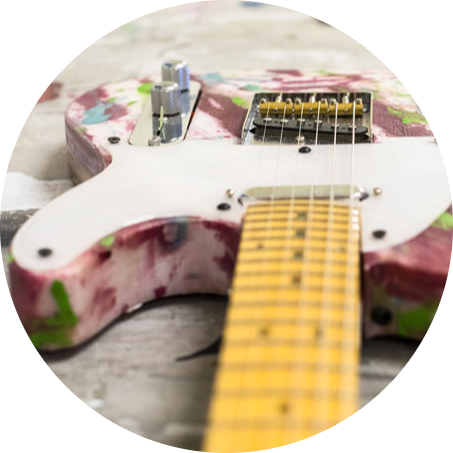
Lamara White ’21 | 3D Printed Guitar
This project involved using 3D printing to create an electric guitar body, followed by adding essential hardware like pickups, a bridge, tuners, and wiring to make it fully functional. While the 3D modeling process in Maya initially presented challenges, the project became smoother as skills with the software improved. Ultimately, a fully functional guitar was successfully assembled with a custom 3D printed body.
Learn More
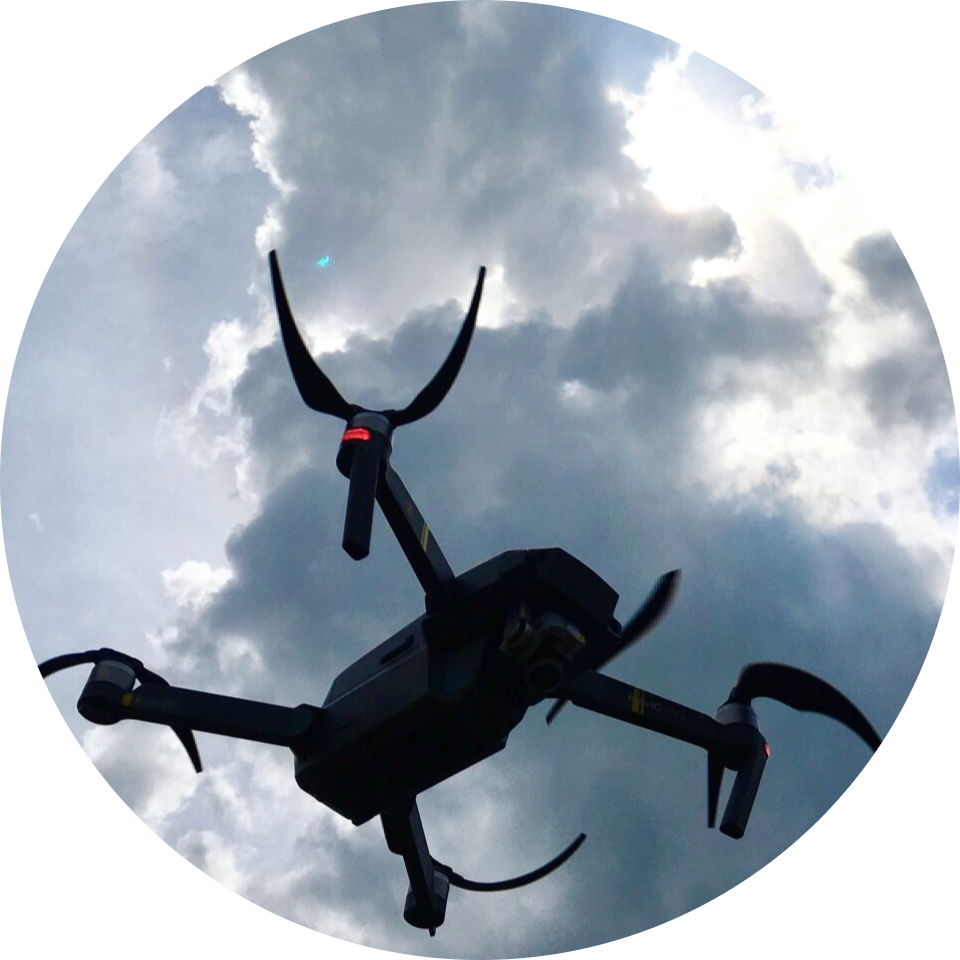
Alyssa Kaewwilai ’20 | Drone Mapping
This project used drone technology and advanced 3D mapping to identify flood-prone areas on the Gettysburg College campus, helping to prevent costly water damage. Aerial images were processed into a digital model of the campus, which was cross-verified with ground measurements for accuracy. The project culminated in the creation of an interactive 3D physical model, offering a hands-on way to explore flood risks and terrain features.
Learn More
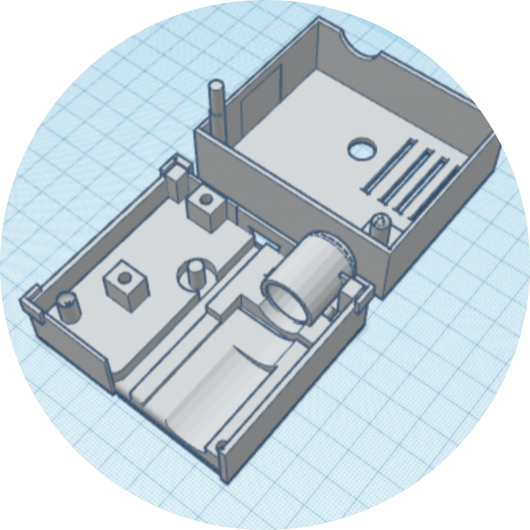
Tyler Mitchell ’20| DIY Insulin Pump
This project involved designing and prototyping a low-cost autonomous insulin pump with a closed-loop feedback system. Using a continuous glucose monitor (CGM), a Raspberry Pi microcontroller, and 3D-printed components, the system automatically adjusts insulin delivery in real time. The goal is to create an affordable alternative to commercial options, reducing production costs to under $10 and improving accessibility to diabetes management technology.
Learn more
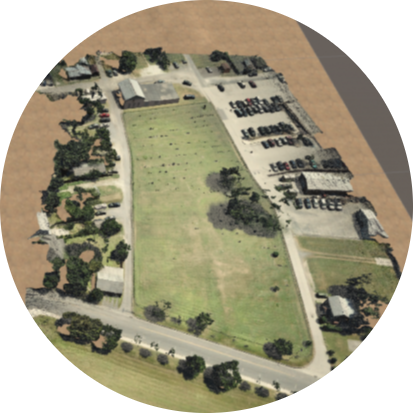
Hoang Ang Just ’21 | VR Lincoln Cemetary
This project focused on creating an immersive VR experience using Unity and HTC Vive, enhanced with 360-degree videos, drone-captured 3D models, and interactive elements. The goal was to design a realistic and engaging environment that allowed users to explore areas like Gettysburg Battlefield while incorporating features like teleportation, sound effects, and user interactions for a fully immersive experience. By integrating advanced tools like photogrammetry and 3D audio, the project combined technical innovation with creative storytelling.
Learn More
Orrin Wilson ’20 | VR Penn Hall Model
The project involved designing an interactive VR representation of Penn Hall, emphasizing accuracy and realism. The building’s 3D model was created in Blender with precise dimensions, custom textures, and optimized geometry, while the surrounding environment was built and enhanced in Unity
Learn more
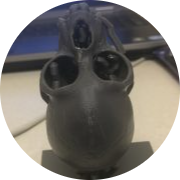
Jonathan Trilleras ’20 | High Res 3D Printing
This project focused on utilizing 3D scanning and modeling to create accurate prosthetic prototypes. By the end of the program, the goal was to produce a detailed STL file of an object, such as a skull or hand, for 3D printing. The project aimed to build a foundation for future work in prosthetics by developing reproducible methods for scanning and printing prosthetic components.
Learn more
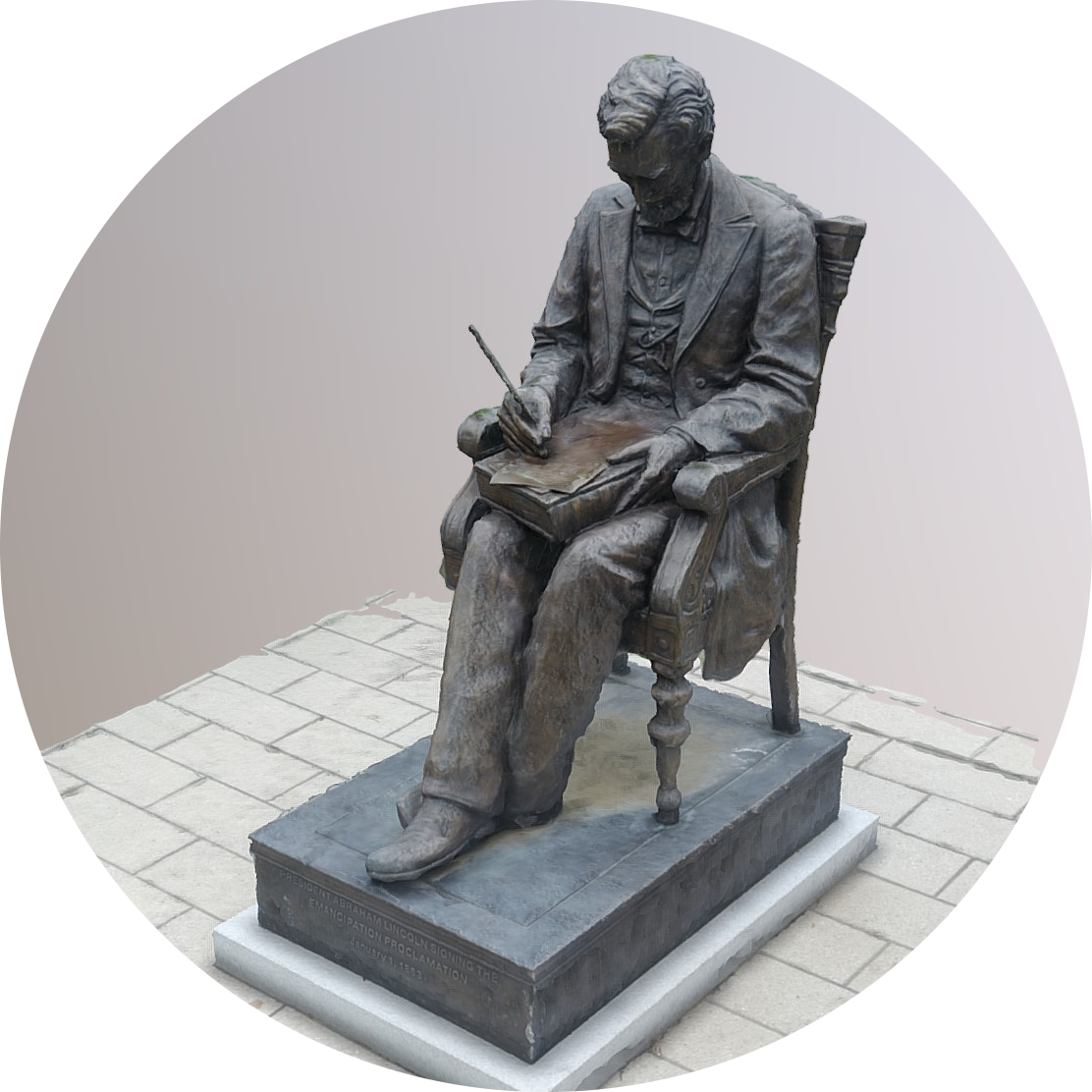
Ryan Gonzalez ’19 | Drone Photogrammetry
This project focused on Drone photogrammetry and 3D modeling to create digital replicas of objects ranging from small artifacts to campus buildings and open landscapes.
Learn more
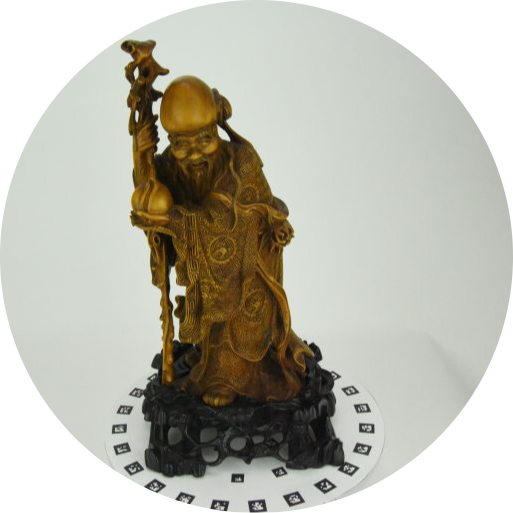
St. John Smith ’20 | Small Object Photogrammetry
This project explored photogrammetry techniques to create high-quality 3D models of fragile or valuable items from Gettysburg College’s Special Collections. Using Pix4D, photographs were processed into detailed digital models, which were then refined and uploaded to SketchFab for public access. The goal was to provide an interactive platform for students to study historical artifacts while preserving the integrity of the originals.
Learn more
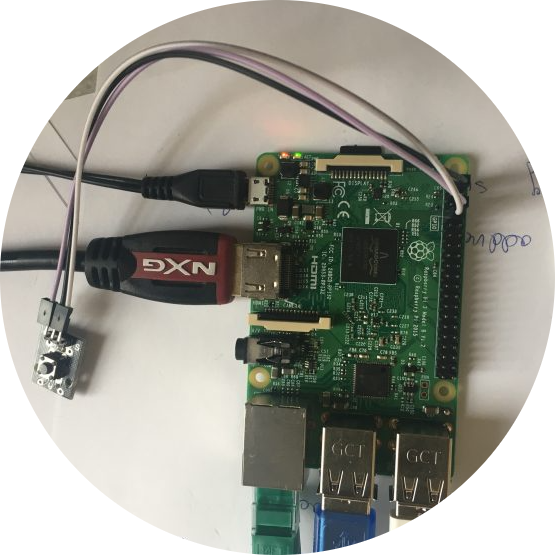
James Arps ’18 | 3D Printing Workflow
This project automated the 3D printing process by enabling remote job submission via email, assigning print tasks to available printers, and managing the workflow from start to completion. The system integrated a Raspberry Pi to handle job processing, slicing, and print monitoring, with features like real-time status updates and cancellation options. Future developments were planned to enhance accessibility through web-based file uploads, authentication via Gettysburg IDs, and automated scheduling for improved efficiency.
